1. Transitioning to High-Value Avocado Farming.
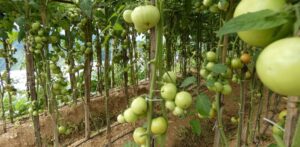
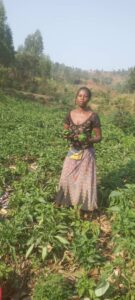
One of the ways Eunilove Agro Company supports its farmer network is by introducing avocado cultivation as a high‐value, climate‐resilient crop. According to their website:
“A major bold step taken is the avocado cultivation. Avocados are a high-value fruit … thus creating wholesome food and preserving the environment.” euniloveagro.wordpress.com+1
In practice, this has meant:
⦁ Training smallholders in avocado tree planting, care and harvest.
⦁ Helping them access seedlings or nursery stock (or via community nurseries).
⦁ Linking them to markets (domestic and export) so that their increased yields translate into income.
⦁ Encouraging the agroforestry / mixed cropping benefits of avocado (trees help soil, shade, diversify income).
As a result, one can imagine farmers who previously planted only cassava or maize are now branching into avocado — benefiting from higher value, improved resilience, and being part of
a more sustainable system.
Impact highlights: improved farm income, diversification of crops, better environmental outcomes (through tree cover, less erosion) and stronger market linkages.
2. Empowering Women & Youth Smallholders
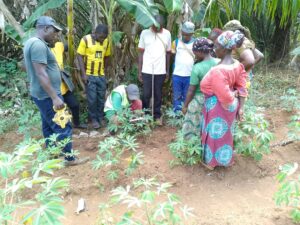
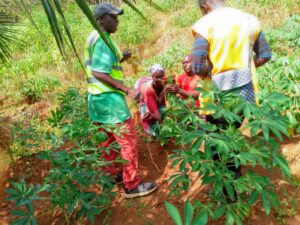
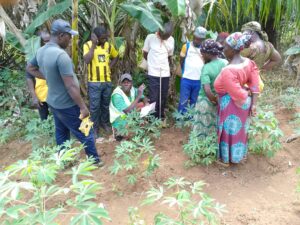
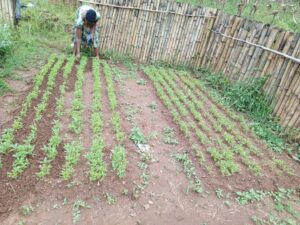
Eunilove emphasizes empowerment: their mission statement says they’re working “while empowering smallholder farmers, especially women and youth.” VC4A+1
A typical story:
⦁ A young woman (or group of young people) in the Centre Region of Cameroon receives training from Eunilove Agro Company on sustainable farming practices (soil health, crop rotations, organic amendments).
⦁ They are then supported to plant a value-added crop (for example avocado or vegetables) and linked into the company’s aggregation/processing chain (so they don’t just sell raw produce at low prices).
⦁ Over time, the young farmer sees increased yield, better quality, better market access, and thus improved income. They reinvest into their farm, hire labour, perhaps diversify.
⦁ Socially, such interventions help to make farming more attractive to youth (reducing migration to cities) and promote gender equity in rural agriculture.
Impact highlight: Women and youth shift into commercially viable agriculture, with support and market connection, gaining higher productivity & better livelihood.
3. Community Nurseries & Land Restoration.
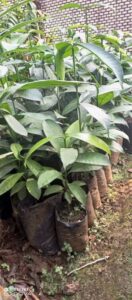
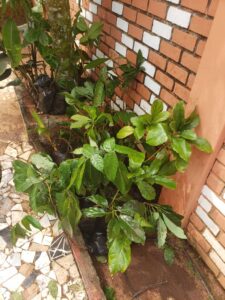
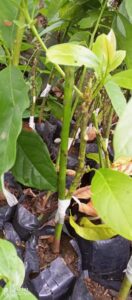

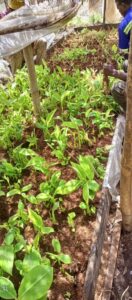
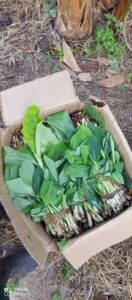

Another way the company supports farmers is through establishing community nurseries and encouraging restoration of degraded farmland:
⦁ On the F6S profile of Eunilove Agro Company it mentions:
“we paid out financial returns to our farmers, paid salaries as well as set up 2 communities nurseries to supplement the existing ones.” F6S
⦁ These nurseries allow seeds or seedlings of trees (or other plant material) to be raised locally, then planted on farms as part of agroforestry, land-restoration or intercropping systems.
⦁ Farmers participating in these community nurseries gain access to seedlings, training, and sometimes group ownership of the nursery (so the benefit is collective).
⦁ The result: degraded lands regain productivity, soil fertility improves, biodiversity increases, trees also offer long-term value (timber, fruit, ecosystem services).
Impact highlight: Farmers regain lost productivity, increase tree cover on their farms, build resilience to climate change, and benefit from long-term sustainable systems rather than only annual crops.